

Author name: Brian Del Terzo

Business Credit

STEP 2 – GET APPROVED FOR FUNDING

One of the most important differences between our system and every other business credit building system is the cash money you have access to, and how fast you receive it. Our clients love the idea of building business credit and limiting their personal liability. But even more important, they want cash money for their business and they want it quickly. Our Funding Suite is the only system in the world that combines both business credit building and the acquisition of cash funding to ensure you can get more money quickly for your business. In Step 2 you complete your funding application by answering questions relating to your business assets and collateral. Once you complete this step, your full application is then cross-checked with thousands of lenders’ underwriting guidelines, and you are pre-qualified for over funding programs including credit lines and loans. In this step, you have access to thousands of different lenders, hundreds of direct finance sources, and hundreds of thousands of dollars in funding and business credit for your business. You can qualify for merchant advanced, purchase order and account receivable financing, equipment and auto vehicle leasing, inventory financing, unsecured credit lines, loans up to 12 million, and much more. We even provide you access to a credible company to help you create your business plan if you need one. Plus many funding programs are based on the business collateral you have, such as credit card sales or consistent revenue. This lending only looks at the strengths of your businesses, making it even easier to be approved. The Funding Suite has money available for business owners with challenged personal credit, and even for brand new startup businesses. The Funding Suite offers cash funding as low as $5,000, and as high as 25 million dollars. All together the Funding Suite offers more funding sources and products than anywhere else. And you have your own certified funding advisor to help you navigate your multiple funding options and help you get approved. By offering such a large abundance of financing sources and products we give you, as a business owner, the best chance of being approved and obtaining funding for your business.


Business Credit

STEP 1 – BUILD BUSINESS CREDIBILITY

Meet Lending Guidelines Before You Apply Almost all lenders keep their underwriting guidelines secret. As a result, most business owners who apply for financing are denied as they don’t meet some of the lender\’s requirements for approval. In step 1 we actually reveal the lender\’s secret formula for approval. We go through all 20 secret points that lenders look at on your business funding application, and help ensure you meet or exceed their requirements for approval. By helping you meet lending requirements before you even apply, you then stand the best chance of approval. In step 1 you will complete an online application. Along the way, we help you understand what lenders must see for approval and then offer you one-click solutions if you don’t meet that lending requirement now. We can assist you with filing for the proper corporation entity, setting up a virtual address, obtaining a phone number, fax number, and toll-free number. We also assist you in setting up your email address, getting your website up and running, ensuring you have the proper licensing, and more all in step 1. We even help you secure a merchant account to accept credit cards if you don’t have one now. As you proceed through the step you will be completing an online funding application. Once completed, this application information will then “auto-populate” on to your funding and credit applications as you proceed. This will save you a lot of time and make it easy for you to apply as you only complete an application once, and then that data auto-populates with most of your future credit and funding applications. Step 1 and all other steps give you the ability to through each step with written and audio or video instructions. You will also be assisted by our certified business credit coaches who will hold your hand as they help walk you through the funding approval and business credit building process. As you complete step 1 you will finally know that you have a credible business that lenders will want to lend to. This makes it easier for you to get money for your business starting in step 2.

Personal Credit

WHAT OR WHO IS TRANSUNION?

Interesting TransUnion History Most consumers are familiar with TransUnion. But there are a few interesting tidbits that most people don’t know about the company. Here are a few interesting facts about TransUnion: Unlike the other two Big Three credit firms, TransUnion is privately held so they don’t have to declare much in the way of earnings or corporate information. They got their start in the personal information business when they bought out the Cook County Credit Bureau, one of the original Welcome Wagon firms. With this acquisition, they basically bought the financial history of the entire city of Chicago in one purchase! Since then, they focused on acquiring more lists from around the world, although they still call Chicago home. TransUnion was party to a notable and precedent-setting case for the credit repair industry. A courageous and very patient woman by the name of Judy Thomas successfully sued TransUnion for a whopping $5.3 million dollars. Her story was particularly outrageous. She uncovered a simple, glaring error in her credit report and took all the legal steps to get it mended. The process wound up costing her endless hours of paperwork and no less than six years to finally get the false information removed from her credit report. Keep your eye on your email for even more interesting facts about Experian and the other consumer reporting agencies. If you feel you may be losing your way or have any questions about what you should be doing right now to support your Credit and Financial Wellness Journey, Click HERE to learn more.

Personal Credit

WHAT OR WHO IS EXPERIAN?

Interesting Experian History Most consumers are familiar with Experian. But there are a few interesting tidbits that most people don’t know about the company.  Here are a few interesting facts about Experian. The Experian Group employs approximately 15,000 people in 40 countries, supporting clients in more than 65 countries around the world. Total Group revenue for the year ending March 31, 2012, was $4.5 billion. Although they control the economic fates of millions of Americans, they’re not even a US company. Their headquarters is in Dublin, Ireland and their main offices are in Nottingham, England. Experian was created during a flurry of buyouts and consolidation, getting most of their data from the purchase of TRW Information Services, a 100-year-old credit agency and one of the oldest such firms in America. Since then, they’ve expanded in very telling directions, purchasing email marketing companies, data-mining, and surveillance startups, and several debt consolidations and collection firms. Along with TransUnion and Equifax, the other major U.S. credit bureaus, Experian markets its credit information not only to lenders but also to consumers, who can sign up for a fee-based credit monitoring program. By the Fair Credit Reporting Act, however, these agencies must provide individuals in the U.S. with a credit report, free of charge, once a year on request. You can dispute the information in a credit report; Experian routes these cases through its National Consumer Assistance Center in Texas. At one time, Experian used the credit rating formulas generated by the Fair Isaac Corporation, also known as FICO, to gauge consumer creditworthiness for the use of potential lenders. However, a disagreement between the two companies led to a parting of the ways, and Experian now employs its own scoring method, known as the PLUS score. PLUS scores range from 330 to 830, rather than FICO\’s 300 to 850. Experian does not disclose the formula it uses to arrive at the PLUS score, although the major ingredients are payment history, the ratio of outstanding balances to the credit limit, length of credit history, and number of credit inquiries. Creditors employ many different credit scores to determine creditworthiness, including FICO and VantageScore, which are generated by the three rating agencies in combination. Therefore Experian\’s own PLUS score may not be an accurate gauge of the number that lenders are using to make their decisions. Instead, the PLUS score is primarily designed as an educational and marketing tool, designed to inform consumers about the general state of their credit and to generate revenues for the company through credit-monitoring products. If you feel you may be losing your way or have any questions about what you should be doing right now to support your Credit and Financial Wellness Journey, Click HERE to learn more.

Personal Credit

WHAT OR WHO IS EQUIFAX?

Interesting Equifax History Equifax is the oldest and largest credit bureau in existence today. They were originally founded in 1898, 70 years before the creation of the Trans Union. Two brothers, Cator and Guy Woolford, created the company. Cator actually got the idea from his grocery business, where they collected customers’ names and evidence of creditworthiness.  He then sold that list to other merchants to offset his own business costs. The success led Cator and his attorney brother, Guy, to Atlanta to start what would become one of the most powerful industries in existence today. Retail Credit Company was born, and local grocers started using the Woolford service, which expanded rapidly.  By the early 1900s, the service had expanded from grocers to the insurance industry. Retail Credit Company continued to grow into one of the largest credit bureaus by the 1960s, with nearly 300 branches in operation.  They collected all kinds of consumer data, even rumors about people’s marital lives and childhood.  They were also scrutinized for selling this data to just about anyone who would buy it.  In the late ‘60s, Equifax started to compile their data onto computers, giving many more companies access to purchase this data.  They also continued to purchase many more of their smaller competitors, becoming larger and also attracting the attention of our Federal government. In response, the US Congress met in 1971 and enacted the Fair Credit Reporting Act.  This new law was the first to govern the information credit bureaus and regulate what they were allowed to collect and sell.  Equifax was charged with violating this law a few years later and even more government restrictions were implemented. Equifax was no longer allowed to misrepresent themselves when conducting consumer investigations, and employees were not given bonuses anymore based on the negative information they were collecting, which was standard practice in the past. It is alleged that due to the tarnished reputation all this left on Retail Credit Company, they changed their name to Equifax (Equitable Factual Information) shortly after in 1979.  Throughout the 1980s, Equifax along with Experian and TransUnion, split up the rest of the smaller credit rating agencies amongst them, adding 104 of those to Equifax’s portfolio.  They then continued to grow, taking aligning with CSC Credit Services and another 65 additional bureaus.  Equifax has continued to grow, now maintaining over 401 million consumer credit records worldwide. They also expanded their services to direct consumer credit monitoring in 1999.  Today Equifax is based out of Atlanta, Georgia, and has employees in 14 countries. If you feel you may be losing your way or have any questions about what you should be doing right now to support your Credit and Financial Wellness Journey, Click HERE to learn more

Personal Credit

SHOPPING FOR THE BEST CREDIT CARD

Although it\’s wise to pay off all your credit card debt, it\’s also practical to have one or two good credit cards. When you travel or want to order something online, it makes good sense to have a credit card. Plus, using your card responsibly will positively contribute to your credit score. But which card is the best? The answer can be found in which one best meets your own personal needs. The best credit card for someone else may not be the best one for you. Use these strategies to help you determine which card may best meet your needs: Choose a credit card that has no monthly fee. Never pay a monthly fee just to have a credit card. 2. Avoid a variable interest rate credit card. A variable interest rate credit card has fluctuating interest rates over which you have no control. Make an effort to get a credit card with a fixed interest rate. Also, be leery of any cards that advertise 0% interest for the first 12 months. Find out what the interest rate will be after the initial interest-free period. You may find the interest so high that it\’s simply not worth it to get the first year at 0% interest. Plus, know what can trigger the end of your 0% interest – you might not even enjoy it for one year! 3. Read the fine print. Even though the fine print \”legalese\” is difficult to decipher, it\’s important to be on the lookout for hidden fees and charges. Read the terms and conditions of the card at home when you have plenty of time. Highlight any areas of the terms that you have concerns about or need to clarify. If you\’re unable to get answers to your questions or receive clarifications for a better understanding of the card issuer\’s policies, walk away. You\’re wise to say \’no\’ as opposed to getting stuck with extra fees. 4. See what\’s in it for you. When you\’re selecting a credit card, focus on those that either give you cashback, credit toward travel awards, or reward points toward free items – whichever perk you feel you would get the most benefit or enjoyment from. The cash back cards are, in essence, reimbursing you with \”free money.\” Some cards issue cardholders one check per year for a percentage back on specified purchases. Receiving a check in December between $1 and $1,000 based on your credit purchases is a nice perk. If you\’re a traveler, you might prefer receiving points toward your next flight, car rental, or hotel. The third type of rewards credit card awards you points in relation to the amounts charged on the card. The points can be cashed in to purchase various items such as stereos, portable DVD players, kitchen pots and pans, dishes, and a variety of other items. Shopping for the best credit card takes time and patience. Protect yourself and your financial life by taking every precaution when selecting your credit card. Discover the freedom of using just one good credit card, paying it off monthly, and enjoying its rewards.

Personal Credit

ANNUAL CREDIT REPORT: SMALL CHANGES MAKE BIG IMPROVEMENTS IN YOUR CREDIT

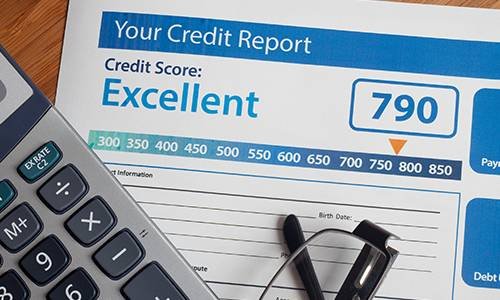
Your credit report paints a picture of your financial history by detailing your experience with credit cards, loans, and other financial vehicles. Your credit score is a number that comes from the information in your credit report. Three different credit scores are available through Experian, Equifax, and Trans Union. Combined, they make up your FICO credit score. What Does it All Mean? Your credit score will come into play when you try to buy a car or a home, take out a loan, apply for a credit card, or apply for some jobs. Credit also plays a role in determining eligibility for renting a home or apartment. Your credit score must be \”up to par\” in order for you to get by in life. If your credit score is lower than required by a lender, bank, apartment complex, or employer, you may miss out on important opportunities. Luckily, there are ways to repair your credit in big ways with simple steps. Use these strategies to improve your credit score: Obtain your credit reports. You\’re entitled to a free copy of each credit report once per year. You can obtain them through each of the credit bureaus individually or through their official website, annualcreditreport.com. Your credit reports offer a lengthy explanation of what is impacting your credit score so that you can make the necessary changes. Your credit report will give you the information you need on each account you owe on, including who you owe, how much you owe, and a snapshot of your payment history. Past credit accounts may also be included. 2. Obtain your credit scores. Your credit scores are numerical values placed on your credit history and can range between 350 and 850. Each credit bureau can have a unique score, but they\’re combined to create a single FICO credit score. Obtain your credit score at least every six months to keep track of how it changes over time. Obtaining your credit scores typically costs money, but can be done through each credit bureau individually. 3. Create a plan. Once you know what you\’re up against, create a plan to help you deal with each record on your credit report. Address each record individually and develop a plan for repayment or dispute depending on the legitimacy of the debt. 4. Dispute incorrect information. If there are incorrect records in your credit report, dispute them. Dispute each one individually through the credit bureau or contact the creditor for more information on the debt. If the information really is wrong, the credit bureau will make the necessary changes or removals. 5. Pay off your debts. Pay each debt off one by one. You may wish to quickly eliminate your smallest debts first and then focus on the larger ones. Contact each creditor individually to come up with a plan for repayment. 6. Follow up. Continue to check on your credit scores and reports, and follow up with creditors to keep track of your progress. 7. Pay your bills on time. This is one of the most significant ways you can improve your credit. Plus, you can start building good credit right away by paying this month\’s bills on time. Make a plan and budget appropriately so you have the funds in order to pay them before the due date. Take small steps toward improving your credit for a big impact. The longer you have a positive credit experience, the higher your score will go. Work on repaying your debts over time and you\’ll see your credit score rise along with your progress.

Personal Credit

9 STEPS TO REMOVING CREDIT REPORT ERRORS

Checking your credit reports on an annual basis can be a great idea. A study done by the Federal Trade Commission found that 25% of all consumers have an error on their credit report that negatively impacts their credit score. There’s a good chance that your reports have one or more errors. The study also showed that 80% of those that challenge items on their credit report are able to get at least some of the negative information altered or removed. That’s great news!  Follow this process to get these errors corrected: Get copies of your credit report from the three major bureaus. You can get a free copy of each report each year from AnnualCreditReport.com. If you’ve recently been rejected for credit, you’re also entitled to a free copy of the report containing the derogatory information. 2. Get your official credit scores. It would be a shame to do all this work and not know how much of an effect your efforts had on the metric that matters the most. 3. Find and record all the errors that are harming your credit score. Some people decide to simply challenge all the negative information, whether it’s accurate or not. 4. Write a dispute. Your dispute can be very simple. Provide enough information that the credit bureau can identify you and the item you’re disputing. In general, it’s most effective to declare that you were never late or that the account isn’t yours. 5. Mail your disputes and request a return receipt. The credit bureau is on the clock from the time they receive your complaint. If they can’t complete their investigation within 30 days, they basically have to make the changes you requested. Include only one dispute per letter. The credit bureaus would love for you to file your dispute online. It saves them money and helps to automate the process. Receiving your letter is much more cumbersome for them. So send your complaints via snail-mail. 6. Watch the calendar. Their response should be postmarked within 30 days of receiving your letters. 7. Evaluate the responses you receive back. It’s likely that some of your disputes will be found in your favor. It’s also likely that some will not. One credit bureau has been known to simply give you what you want without investigating at all! 8. Continue disputing all the negative items. At the end of the day, credit bureaus exist to make money. They make money by selling credit reports, not by dealing with consumers. Your disputes cost them money. With a little diligence, you’re likely to get your way, so be persistent. Consumers have historically done well when suing the credit bureaus. It’s difficult for them to truly verify the information in your credit reports. If you’re not satisfied with the results, consider filing a claim in small claims court. Credit bureaus get fined $1,000 per infraction. You’ll likely settle out of court and get your credit report cleaned up. 9. Stay organized. Maintain records of all your correspondence. Make copies and keep those copies filed in an organized manner. Be sure to keep track of dates.   Fixing the errors on your credit reports is simple, but it does take time. It’s important to check your reports every year. The cost of credit reporting errors can be staggering, as they can dramatically increase your interest rates on any loans you receive.  Request your credit reports today and spend the time to examine them carefully. Consider making it a part of your annual financial housekeeping.

Personal Credit

8 TIPS TO IMPROVE YOUR CREDIT SCORE

The first step to improving your credit score is to obtain a current copy of your credit report. Once you have something to work from, you\’ll know where you stand and you can take action to improve your credit and raise your score. There are many systems and companies out there that\’ll advertise a \”free\” credit report, only to enroll you into other paid programs or recurring memberships. These paid programs may benefit you, but read the fine print to ensure you\’re getting only what you need.   Here are some tips and techniques that can help you raise your credit score:  1. Keep some unused accounts open. Closing unused accounts is a common myth when it comes to improving your credit score. In fact, closing accounts can actually hurt your score. Why? Because a part of your score is calculated by determining how much debt you have versus how much available credit you have.     If you close out your available credit, your debt becomes a larger percentage of the credit available to you and may lower your score.   2. Spread out your debts. You can improve your score by spreading your debt among credit cards even if your debt remains exactly the same. This is because a credit card that\’s almost maxed out is more likely to be detrimental to your score. Consider transferring that balance to one or more other credit card accounts.   3. Pay on time. This is an obvious tip, but one that\’s still worth mentioning. Make sure you pay all of your accounts on time. Even one slip-up may affect your score.      If you have trouble remembering to pay on time, consider setting up some kind of reminder. You can even set your accounts to automatic bill payment through your banking service.   4. Avoid applying for too many cards. Your score can be affected if you fill out too many credit applications over a short period of time. While you can acquire multiple cards over time, it\’s just not a good idea to sign up for too many of them at once. This makes you look desperate for any kind of credit.   5. Watch out for scams. It\’s so easy to fall victim to a scam these days. Some scammers are so creative and seem so trustworthy that even the smartest people can be drawn into their scams. If you want help with debt consolidation, consider contacting the government. Don\’t trust any independent company without lengthy research.   6. Use credit occasionally. Even if you prefer to use cash, you should still have at least one  credit card account that you use occasionally. When it comes time to use credit, no credit can be just as detrimental as bad credit. Chances are you\’ll want some good credit eventually, especially when it comes time to purchase cars or homes.   7. Be truthful and accurate. Don\’t falsify any information when it comes to checking or applying for credit. Also, double-check your applications for any mistakes you may have made. Any misstatements will very likely be caught, so it\’s not worth the risk.  8. Check your score each year. You can check your credit score once per year without any penalty. Take the time to stay on top of your credit. It\’s such a huge part of your life – whether you like it or not – and it deserves your attention. With regular checks, you\’ll be the first to know if there\’s something that needs to be taken care of.  Improving your credit score can save you a lot of money, time, and frustration. Get in the habit of using these strategies and you\’ll see that score going up as time goes on.

Scroll to Top