News

Financial News, News

Protecting Your Amazon Experience: Beware of These 3 Common Impersonation Scams

Introduction: Amazon, the e-commerce superstar that offers nearly everything under the sun, has become a target for scammers. In fact, it\’s so popular that scammers are lining up to impersonate it. In 2022, Amazon took the dubious honor of being the most impersonated organization, according to the Better Business Bureau. But why is Amazon such a magnet for these shady characters? Let\’s take a closer look at the elaborate schemes they employ and what you can do to stay safe. The Allure of Amazon: Amazon is like the coolest party in town, and almost everyone wants in. Scammers used to make prank calls, but they\’ve upgraded their game to sending deceptive text messages. Why? Because everyone\’s here, and they want to be where the action is. Suspicious Activity Scams: The most common trick in the scammer\’s playbook is the \”Suspicious Activity Scam.\” They\’ll pose as Amazon and send you alarming messages, claiming something\’s wrong with your account. They might even ask for your Amazon login information or attempt to gain access to your computer. Crafty, right? Don\’t fall for it! Deceptive Emails with Attachments: Scammers have gotten creative. They send scam emails that appear to be from Amazon, complete with attachments. These emails threaten to suspend your account unless you click on a sketchy link. Remember, clicking can lead to trouble! The Amazon Prime Membership Scam: Another trick up their sleeves is the \”Amazon Prime Membership Scam.\” You might receive calls, texts, or emails insisting you owe a hefty fee for your Prime membership. They\’ll request your payment info. Spoiler alert: It\’s a scam! The Tricks Keep Coming: But the scam parade doesn\’t stop there. Scammers have a bag of tricks, including posing as Amazon Alexa Network agents or messing with Amazon\’s customer service numbers. They\’ll even send fake delivery messages, asking you to pay a \”redelivery fee.\” It\’s like a never-ending game of deception. Amazon\’s Fight Against Scams: Amazon isn\’t sitting idly by. They have a team of experts dedicated to combating scams. In the past year, they\’ve taken down thousands of fraudulent websites and disconnected fake phone numbers. Go, Amazon, go! How to Shield Yourself: Now, the million-dollar question: How do you protect yourself from these clever scams? Avoid responding to robocalls, texts, or emails from supposed Amazon representatives. Keep an eye out for poor grammar – it\’s a dead giveaway. If you\’re concerned, take matters into your own hands. Log in to your Amazon and credit card accounts to verify any suspicious activity. Consider using a call blocker to keep unwanted calls at bay. Don\’t fall for a text or call just because it appears legitimate. Scammers can easily fake caller IDs. Above all, remember the golden rule: Never click on suspicious links in texts or emails. It could lead to serious trouble. Conclusion: So, as you continue to enjoy your Amazon shopping spree, stay sharp, and be on the lookout for these scams. By knowing the tricks scammers use and taking precautions, you can help protect yourself from falling victim to their schemes. Your Amazon experience should be all about convenience and enjoyment, not scams and deception. Stay safe out there! Here\’s the video about these 3 Common Amazon Impostor Scams: https://youtu.be/A9zjK27sV9o?si=sAwNUj6dNix5RVL1
Debt Management, Financial News, News, Student Loan Help, Student Loans

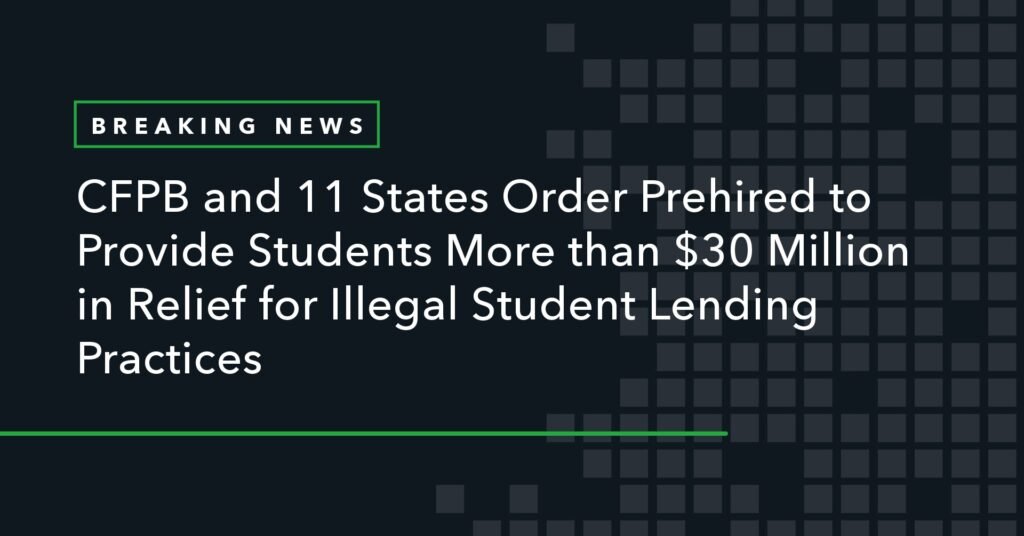
Prehired Exposed: How Student Loan Borrowers Were Misled

\”Prehired will void all outstanding income share agreements, refund harmed borrowers, and permanently cease operations\” In a recent announcement, the Consumer Financial Protection Bureau (CFPB) and 11 states have taken action against Prehired, a company that promised job placement to students but ended up causing harm to borrowers. Here\’s what you need to know: False Promises: Prehired attracted students by promising job placements and claimed that students wouldn\’t have to repay their loans until they secured a job. Violated the Law: The loans Prehired offered, known as \”income share\” loans, violated the law because they were structured in a way that could trap borrowers in debt. Abusive Debt Collection: When borrowers couldn\’t make payments, Prehired resorted to aggressive debt collection practices. To address these issues, the CFPB and the states took legal action. Here\’s what\’s happening: Prehired will provide over $30 million in relief to affected student borrowers. They are required to cease all operations. Prehired will pay $4.2 million in redress to consumers impacted by their illegal practices. All outstanding income share loans (valued at nearly $27 million) are voided and cannot be collected. Prehired is permanently banned from offering income share loans or any activities related to vocational education. A civil money penalty will be paid to the CFPB victims relief fund. This action aims to provide redress to students who were misled by Prehired\’s false promises and to hold the company accountable for its actions. If you have been affected by Prehired\’s practices, you can find more information at https://www.prehiredclaims.com/ or contact the CFPB for assistance. Remember, it\’s crucial to be cautious when considering financial opportunities and loans to ensure you\’re making informed decisions.

Credit Reports, Debt Management, Financial News, News, Personal Credit

An Overview of the CFPB & State Initiatives to Stop Wrongful Medical Bill Collections

Why this will interest you This is crucial because many consumers have suffered due to incorrect and unverifiable medical bills on their credit profiles. We should should ensure they aren\’t unfairly burdened with debts they don\’t rightfully owe. At Credilife®, this is the kind of work we specialize in. After conducing a comprehensive evaluation of your personal credit profile, we strive to ensure the accuracy and verifiability of reported information, especially that which is negatively impacting your credit profile. We also identify areas for improvement and provide tailored recommendations for credit building and account management. Our ultimate objective is to empower our clients with successes that pave the way for a brighter and more secure financial future. Important News from the Consumer Financial Protection Bureau Washington, D.C. – Today, the Consumer Financial Protection Bureau (CFPB) released a report that talks about the problems many American families face when debt collectors chase them for medical bills they might not even owe. The report focuses on the 8,500 complaints that people, including servicemembers and older adults, made in 2022 about medical debt collections. It also explains how the CFPB and states are working together to stop the collection of wrong or inaccurate medical bills. Additionally, it mentions what\’s happening in the broader debt collection market and what the CFPB and other federal agencies are doing to protect people from unfair and tricky debt collection practices. Why Is This Important? Lots of people are being hounded by debt collectors for medical bills, and this report shines a light on the problem of collecting bills that are wrong or not even owed. The CFPB has previously found that the collection of medical bills is often filled with mistakes. What the Report Revealed In 2022, the CFPB got thousands of complaints about medical debt collection. People were upset because they were being asked to pay bills that were already paid, were not really their responsibility, or were for the wrong amount. Sometimes, collectors started chasing these bills long after the medical services were provided, even decades later. Some collectors even put these bills on people\’s credit reports without asking them first. Surprisingly, even servicemembers and older adults faced these problems, even though they usually have insurance and access to reduced-cost healthcare. What You Need to Know Collecting medical bills that are not owed or getting the amount wrong may break the law. This report says that it might go against the Fair Debt Collection Practices Act or the Consumer Financial Protection Act\’s rules against unfair or tricky practices. This includes cases where collectors ask for payment for services you never received or charge you for more expensive services than what you got (sometimes called \”upcoding\”). States have their own rules to protect consumers when it comes to debt collection. Many states have made laws that protect people from unfair medical bill collection and reporting. Federal law doesn\’t usually override state laws in this area. So, state protections on medical bill collection are likely to continue. The CFPB is making sure that medical debt collectors follow the law. They have been checking on debt collectors and found many violations, like harassing people about unpaid medical bills or wrongly blaming them for identity theft. When necessary, the CFPB has taken actions against these collectors. The CFPB is also reminding companies about their responsibilities. They\’ve issued guidelines to remind debt collectors and credit reporting companies of what they need to do under the law. They\’ve also clarified that debt collectors may be breaking the law if they charge extra fees for payment. If you have to deal with debt collectors, the CFPB has resources to help you. They offer sample letters for different situations, like when you need more information about a debt, want to dispute it, or want to limit how and when debt collectors can contact you. They even have a letter for when you want all communication to go through your attorney. Read the report, Fair Debt Collection Practices Act CFPB Annual Report 2023.

Credit Reports, Credit Scores, Financial News, News, Personal Credit

Reducing the Impact of Medical Debt on Credit and the Importance of Good Health in Your Financial Journey

Introduction: For those of you who\’ve faced expensive medical challenges, the recent actions taken by the Consumer Financial Protection Bureau (CFPB) are a step further in reducing the impact of medical debt on your creditworthiness. The CFPB is making significant changes to level the playing field for individuals dealing with medical bills. For some time now, efforts have been made to remove medical debts from our credit profiles. For example, in July 2022, paid medical collections should no longer be reported by the credit bureaus. Also, the time period before unpaid medical debts are reported was increased from 6 months to 1 year, giving us more time to work with our insurance or healthcare providers. And even more recently, Equifax, TransUnion, and Experian agreed to no longer report medical debts under $500. 💼📈 In today\’s announcement, the CFPB expressed a plan to eliminate the reporting of all medical debts with three main goals: stopping unfair debt collection tricks, fixing mistakes, and making credit scores more right. 💪💰  Let\’s look at what the CFPB had to say about their most recent proposals. 🎯 Removing Medical Bills from Credit Reports: Right now, when you can\’t pay medical bills, they appear on your credit report. This makes it harder to get loans or credit cards. The CFPB wants to change this so your credit reports don\’t show your medical debts. Studies say, on average, your credit score goes up by 25 points in the first quarter after they remove your last medical collection. 💰 💰 Halting Creditors from Using Medical Bills for Decisions: Some companies decide if they\’ll lend you money based on your medical bills. The CFPB wants to stop this. They don\’t want companies using your medical bills to make loan or credit decisions. Medical bills are different from other debts because they often come from unexpected things or confusing insurance and healthcare bills. These debts that are paid off don\’t tell if you\’re good with money. 💼 💼 Ending Unfair Collection Practices: Sometimes, debt collectors push you to pay medical bills by using your credit report, even if you\’re not sure you owe them. The CFPB wants to stop this too. If these changes happen, debt collectors can\’t use your credit report to make you pay medical debts that might not be yours. Note: This plan won\’t stop companies from checking your medical bills for other good reasons, like when you need a medical loan or help with medical costs. Why this is happening: The CFPB talked to people from all over the country to learn how medical bills and credit reports affect them. They also checked on medical credit cards and loans to find problems. They\’re still listening to complaints from people who had trouble with debt collectors and credit reports because of medical bills. 🌎🗣️📊 Also, the CFPB is looking into how companies collect and use your personal info. They want to give you more control over your money data. This includes info that companies gather about your life. They might change rules for data brokers, who gather and sell info about people. To sum up, the CFPB is working to give you more control over your financial information and make it easier for you to manage medical bills. These changes can really help people with medical debt. 🌟 However, no matter what changes the CFPB makes, remember that it\’s important to stay healthy to prevent problems. Just like Credilife® talks about mindful spending, debt management, and maintaining good credit through their Total Money Plan, taking care of your health is an important part of your self-improvement journey. 🍏  Just as managing your money wisely sets the foundation for a stable financial future, looking after your health can help to prevent health crises resulting in unnecessary debt burdens. Being healthy is super important to your long-term financial well-being and overall quality of life. 🧘‍♂

News

Unmasking Debt Collection Deception: Your Guide to Spotting Scams and Asserting Your Rights

Welcome to the wild world of debt collection, where phone calls feel like bombardments and letters seem to multiply like rabbits. But fear not, intrepid reader, for we\’re about to embark on a journey through the labyrinth of debt collection, armed with knowledge and a touch of humor to lighten the load. Scenario 1: The Persistent Caller Picture this: you\’re enjoying a peaceful evening when suddenly your phone rings. It\’s not your mom or your best friend—it\’s a debt collector. But wait, can they even call you at this hour? Fear not, for the Fair Debt Collection Practices Act (FDCPA) has your back. Those late-night calls? Strictly prohibited, my friend. So go ahead, let it ring to voicemail while you catch up on your favorite show guilt-free. Scenario 2: The Mysterious Debt Ever received a letter from a debt collector claiming you owe money to a creditor you\’ve never heard of? It\’s like a plot twist in a mystery novel, except it\’s your bank account on the line. But fret not, Sherlock, because you have the right to demand validation. That\’s right, you can channel your inner detective and demand proof of this alleged debt. No validation? No payment. Elementary, my dear Watson. Scenario 3: The Harasser Imagine this: you\’re minding your own business when suddenly a debt collector calls, hurling threats and obscenities like a villain in a B-movie. But hold onto your popcorn, folks, because that behavior is a big no-no in the world of debt collection. The FDCPA says they can\’t harass, threaten, or use foul language. So go ahead, hang up that phone and report them like the superhero you are. Scenario 4: The Statue of Limitations Surprise Ever been slapped with a lawsuit for a debt you thought was ancient history? It\’s like finding a long-lost relic in your attic, except way less exciting. But here\’s the kicker: debts have a statute of limitations, and once that time\’s up, they\’re as dead as disco. So don\’t let those collectors scare you with threats of legal action for time-barred debts. It\’s like trying to resurrect a dinosaur—ain\’t gonna happen. We refer to these debts more appropriately as \”Zombie Debt\” Scenario 5: The Debt Negotiation Dance You\’ve faced the music, acknowledged the debt, and now it\’s time to strike a deal. Negotiating with debt collectors can feel like a delicate dance, with each step bringing you closer to financial freedom. But remember, you hold the cards in this tango. You can propose a payment plan, settle for a lesser amount, or even request a written agreement before making a move. So put on your dancing shoes and waltz your way to debt relief. Conclusion: Navigating the world of debt collection may seem daunting, but armed with knowledge and a dash of wit, you can emerge victorious. Remember your rights under the FDCPA, stay vigilant against harassment and scams, and don\’t be afraid to stand up for yourself. After all, debt collection may be a maze, but with the right guidance, you can find your way out and reclaim control of your financial future.  For more details surrounding these topics, please be sure to check out the original articles that inspired this post:  Debt Collection FAQs: https://consumer.ftc.gov/articles/fake-abusive-debt-collectors Bogus debts, bogus collections: https://www.militaryconsumer.gov/scam-alerts/bogus-debts-bogus-collections Managing Debt: https://consumer.gov/credit-loans-debt/managing-debt#what-it-is

News

SCAMMERS OFFERING TO HELP WITH DISABILITY APPLICATIONS

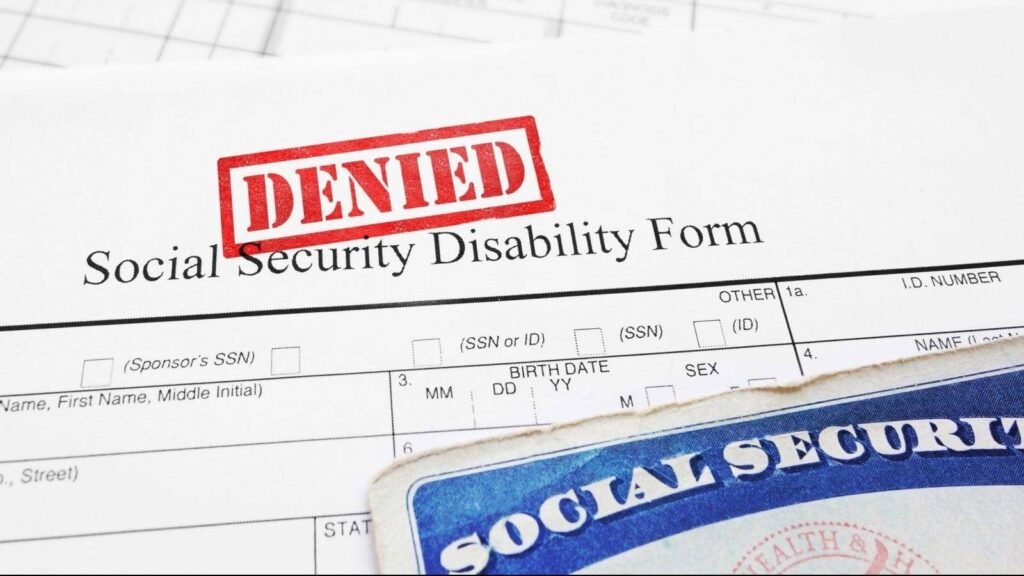
Scammers are trying to get personal information from people by pretending to help with applications for disability benefits and claims. A recent alert from the Social Security Inspector General warns of this phishing scam, and —whether or not you’ve started an application for benefits — these scammers could contact you. They’re taking a shot in the dark, hoping that you have started an application, and hoping you’ll give them a little more info over the phone. To “ complete the process,” they might ask you to give or confirm your Social Security number or bank account numbers. If scammers get your information, you could face identity theft and benefit theft. So here are a few things you can do to help protect yourself: Never give your Social Security number or account numbers to someone who calls you. Don’t wire money or send money using a prepaid debit card. In fact, never pay someone who calls out of the blue. If you have disability benefits, regularly check their status, and review your statements to make sure they’re right. Pressured to provide your information? That’s a sure sign of a scam. Hang up immediately and report it to the Social Security Fraud Hotline and the FTC. If you have questions about disability benefits or get calls offering help with them, call the Social Security Administration at 1-800-772-1213. And read up on more ways to combat phishing and identity theft.

News

OOH, A SALE! OR IS IT?

You’re scanning the shelves at a local pharmacy, grocery, or convenience store, and your eyes land on a sales tag. At first glance, it looks like you can get a product for a deep discount. But take a closer look. Will you get a discount today? Or will you have to pay the full price today and get money off a future purchase? Keep an eye out for creative math on store tags and weekly ads. It might look something like this: In this case, you’re not really getting this product for $2. You have to pay $5 at the register today — and then you’ll get a $3 discount off of something else you buy in the future. That is if you remember to use your points — or bring and use your coupon or gift card — before they expire. We’ve long told businesses they shouldn’t obscure important terms — of course, that includes the price. Still, as a shopper, it pays to take a moment to review and understand the offer. If you find that a retailer is hiding important facts about the price, you can take your business elsewhere.

News

71 PERCENT BELIEVE STUDENT DEBT DELAYS HOMEOWNERSHIP, NAR FINDS

Seventy-one percent of non-homeowners repaying their student loans on time believe their debt is stymieing their ability to purchase a home, and slightly over half of all borrowers say they expect to be delayed from buying by more than five years. This is according to a new joint survey on student loan debt and housing released by the National Association of REALTORS® and SALT®, a consumer literacy program provided by nonprofit American Student Assistance®. The results also revealed that student debt postponed four in 10 borrowers from moving out of a family member’s household after graduating college. Nearly three-quarters of non-homeowners polled in the survey believe their student loan debt is delaying them from buying a home. Broken down by each generation and debt amount, the percent share is the highest among older millennials approximately aged 26 to 35 (79 percent), and those with $70,000 to $100,000 in total debt. Regardless of the outright amount of student debt, more than half of non-homeowners in each generation report that it’s postponing their ability to buy. The survey, which only polled student debt holders current in their repayment, yielded responses from borrowers with varying amounts of debt from mostly a four-year public or private college. Forty-three percent of those polled had between $10,001 and $40,000 in student debt, while 38 percent had $50,000 or more. The most common debt amount was $20,000 to $30,000. Lawrence Yun, the NAR chief economist, says the survey findings bring to light the magnitude student debt is having on the housing market and the budget of even those financially able to make on-time payments. While obtaining a college degree increases the likelihood of stable employment and earning enough to buy a home, many graduating with this debt are putting homeownership on the backburner in part because of the multiple years it takes to pay off their student loans at an interest rate that’s oftentimes nearly double current mortgage rates. “A majority of non-homeowners in the survey earning over $50,000 a year – which is above the median U.S. qualifying income needed to buy a single-family home– reported that student debt is hurting their ability to save for a down payment,” he says. “Along with rent, a car payment and other large monthly expenses that can squeeze a household’s budget, paying a few hundred dollars every month on a student loan equates to thousands of dollars over several years that could otherwise go towards saving for a home purchase.” Among non-homeowners who believe student debt is delaying their ability to buy, over three-quarters – including over 80 percent of millennials – said their delay is because they can’t save for a down payment. Additionally, 69 percent don’t feel financially secure enough to buy, and 63 percent can’t qualify for a mortgage because of high debt-to-income ratios. A little over a majority of those polled (52 percent) expect to be delayed by more than five years from purchasing a home because of repaying their student debt. One in five anticipates being held back three to five years as well as over 60 percent of baby boomers. Not surprisingly, those with higher amounts of student loan debt and those with lower incomes expect to be delayed the longest. “REALTORS® work closely with our clients and consumers every day; we understand the severity of the problem. This is not an abstract issue for us. This is why Realtors® is leading the real estate industry in the discussion of student loan debt and its impact on housing by generating the most encompassing research on this topic,” says NAR Vice President Sherri Meadows, a REALTOR® from Ocala, Fla. Student debt preventing many young adults from leaving the nest The survey also found that student debt is affecting the overall housing supply by holding back some current homeowners who otherwise would like to sell. Nearly a third of current homeowners (31 percent) said their student debt is postponing them from selling their home and purchasing a new one. Of those, 18 percent believe it is too expensive to move and upgrade to a new home, 7 percent have problems with their credit caused by student loan debt, and 6 percent are underwater because student debt has limited their ability to pay more than the minimum payment on their mortgage. “It is imperative to the nation’s economy that we find immediate and practical solutions to financially empower the 43 million Americans with student debt,” says SALT® President John Zurick. “SALT® is committed to demystifying the college financing process by giving consumers information, instruction, and individualized advice. No one should fail to realize the full potential of their formal education simply because of finances. We invite the higher education community, the U.S. government, the private sector, and others to join with us in this movement.” In April 2016, SALT® distributed a 33-question survey co-written with NAR to 75,000 student loan borrowers who are current in repayment. A total of 3,230 student loan borrowers completed the survey. The survey had a response rate of 4.3 percent. All information is characteristic of April 2016, with the exception of income data, which is reflective of 2015. For more information, visit www.realtor.org.

News

5 OUTSIDE-THE-BOX WAYS TO COMBAT WORK STRESS THAT REALLY WORK

Back in the day, unwinding once the clock hit 5 P.M. meant a pow-wow with coworkers at a local watering hole.    But as work pressures have exponentially increased—admit it, you check office email in bed—lowering your cortisol levels requires more than just a happy hour. In fact, a study released by the Harvard and Stanford business schools found a direct link between work-related stress and serious health issues ranging from hypertension to depression. “It’s the relentless demand and constant change. There is no coming home and unwinding anymore—only the ever-present struggle to set boundaries for when you’re ‘on’ and ‘off,’ ” says Sharon Melnick, a business psychologist and author of “Success Under Stress: Powerful Tools for Staying Calm, Confident, and Productive When the Pressure’s On.”  If this all sounds frighteningly familiar, take a deep breath—literally… Because if you’re finding it exceedingly more difficult to deal with stress at work, then it will be difficult to thrive in your career—and keep building your financial security, which is also critical to your emotional health. “You can’t manage the things outside of you, but you can manage yourself—your physiology, your psychology,” Melnick says. To help you do just that, we’ve rounded up five wellness trends hitting the mainstream that are simple enough to execute from a quiet spot in your office. Although they may seem a bit out there to some—ever heard of tapping?—they could be just the thing to help you reclaim the Zen that works zaps out of you.     MINDFULNESS MEDITATION What Is It? A type of meditation derived from Buddhism in which you focus on your breathing in order to remain present and in the moment.  It’s garnered attention in recent years, thanks to high-profile converts like Steve Jobs, who practiced mindfulness meditation regularly, and Arianna Huffington, who describes it as a way to fight burnout in her 2014 book, “Thrive.”  They’re fans for a reason: A 2011 study found that eight weeks of practicing mindfulness meditation triggered changes in the brain, increasing grey matter in areas that help regulate emotion, learning, and memory. How to Practice It: Sit in a comfortable chair or cross-legged on the floor. Then close your eyes and simply breathe, intently focusing on each breath you take.    “Your mind will wander, and that’s normal. But bring it back,” says Jane Ehrman, a mind-body coach, and owner of the practice Images of Wellness. “The more you practice bringing it back, and just breathing, [the more] you’re teaching yourself to be present and far more aware of when your mind wanders.” Ehrman suggests starting with five minutes a few times a week, and then gradually building up to seven and then 15 minutes. Where to Learn More: Visit mindful.org for a video that can help guide you through your first mindfulness meditation session. You can also download the Headspace app, which was created by a former Buddhist monk and features daily mindfulness exercises. “When you’re coloring, all you have to do is stay in the moment. It gets you out of your head. That’s what’s so great about it.” ADULT COLORING BOOKS What Is It? As the name implies, it’s the childhood practice of staying inside the lines, except with more intricate patterns and pictures. And it’s gaining momentum among members of the grown-up set who want a little art therapy to help relieve stress. In fact, at one point, adult coloring books outsold Harper Lee’s hotly-anticipated “Go Set a Watchman” on Amazon.com’s best-seller list.    “When you’re coloring, all you have to do is stay in the moment,” Erhman says. “It gets you out of your head. That’s what’s so great about it.”     How to Practice It: Order an adult coloring book off Amazon.com, or download free patterns and pictures online. Then grab your crayons, colored pencils, or markers—and start coloring away. Consider it an alternative lunchtime activity to checking emails on your smartphone.     Where to Learn More: Check out this list to see what types of adult coloring books are available—from hypnotic patterns to whimsical scenes—and get recommendations on art supplies.    TAPPING What Is It? A stress-relieving psychotherapy technique that triggers acupressure points on your body by tapping them with your fingers.  Also known as EFT (emotional freedom technique), tapping has been around in its current state since the 1990s. But it garnered more mainstream attention after tapping practitioner Nick Ortner’s book, “The Tapping Solution: A Revolutionary System for Stress-Free Living,” made the New York Times best-seller’s list in 2013. Although it’s often been met with skepticism, a 2012 study in the Journal of Nervous and Mental Disease found that tapping reduced cortisol levels—and improved symptoms of anxiety and depression.    “It helps reverse your [negative] wiring,” Melnick says. How to Practice It: Start by using your index and middle fingers to gently tap the outer pinky side of your other hand, while stating a simple phrase aloud that acknowledges what is stressing you out, but affirms yourself regardless. For example: “Even though I’m up against a big deadline, I deeply and completely accept myself.” Then gently tap eight other acupressure points throughout your upper body, in order, while repeating what is troubling you. The designated points are the top of your head, your eyebrow, the side of the eye, the bone underneath your eye, the space underneath your nose, your chin, your collarbone, and under your armpit. If you can’t get enough privacy to tap at your desk, try a quick session in the office bathroom whenever you’re feeling anxious. Where to Learn More: Check out more detailed instructions from EFT founder Gary Craig here to make sure you’re tapping in exactly the right spots. You can also visit Ortner’s site for a slightly modified tutorial.  PRANAYAMA BREATHING  What Is It? Yoga-based breathing techniques provide a calming effect, like alternate-nostril breathing (Nadi Shodhana) and “cooling breath,” which helps lower your body temperature (Sitali). Studies have shown that not only does pranayama breathing reduce stress, but it also helps improve cardiovascular function and symptoms of asthma. And as more companies incorporate yoga and mindfulness into employee wellness programs, they’re also increasing awareness of controlled

Scroll to Top