
Personal Credit

Personal Credit

BASIC CREDIT DEFINITIONS WE ALL SHOULD KNOW

Going to grad school. Buying a home to call your own. Landing a dream job. These are major milestones that many of us have on our #lifegoals list, but they also have something else in common: You’d probably have a much easier time accomplishing them with good credit. After all, you’re more likely to nab a low-interest rate on private student loans, qualify for a mortgage or pass an employer’s background check if you have a history of responsibly managing your credit. Our point is that your credit can greatly influence your ability to make progress on big financial goals—and that’s why it’s so important to make sure you understand the ins and outs of everything related to it. With that in mind, we’ve rounded up six key credit-related terms that are important to know. 1. Credit Report This is an important document that provides a look at how you’ve handled your debt and credit in the past. It’s compiled by credit bureaus (learn more with Credilife™), and it paints the picture of who you are as a credit user. Lenders will consult your credit report to decide whether or not to approve you for a loan or to decide what types of lending terms to offer you. Sometimes non-lenders, like a landlord or an employer, will also consult your report to get a sense of how financially responsible or stable you are. A credit report will start with basic personal info, like your full name and your current and previous addresses. More importantly, it’ll show your credit history—that is, details on any loans associated with you, including credit cards you’ve opened, student or auto loans you’ve taken out, your mortgage (if you have one), and personal loans. This history includes when each account was opened, how much credit you were given, how much you still owe, and whether you paid the bills on time. It’ll also incorporate any negative marks against you, such as if you fell significantly behind on your rent, had a bill sent to a collection agency, or filed for bankruptcy. Fortunately, the negative stuff doesn’t stay on your credit history forever. Much of it actually has to be removed after seven years, although there are some exceptions—for example, student loan defaults will appear on there longer, and bankruptcies will stick around for 10 years. The good news? In most cases, the positive stuff will stay on there for at least 10 years—and in some cases, forever. All in all, you want to be able to show off an A+ report for many reasons. The most obvious one is that it’ll help you get a loan or line of credit when you need one (after all, if you were a lender, you’d only want to loan money to someone who was shown to be trustworthy in the past, right?). But it can also help save you some cash—if you boast a stellar history, you’ll likely score a lower interest rate than if you have a report littered with late payments. NOTE: Your credit report does not include the following information about you: Your race, color, religion, national origin, sex, and marital status. Your age. Your salary, occupation, title, employer, date employed, or employment history.  2. Credit Bureau A credit bureau is an organization that puts your credit report together by corralling all your past debt and loan details that are reported by other companies. (You might also hear it referred to as a consumer reporting agency—that’s just the legal term for a credit bureau.) There are three major bureaus in America: Equifax, Experian, and TransUnion. This means you actually have three different credit reports you can look at. The info should be basically the same (i.e., if you’re generally considered in excellent standing in one, you should be in the others as well), although it’s not uncommon to have the reports differ slightly. For example, one bureau might not have received all the history that another received (not all lenders report their information to all three credit bureaus), they might display the info in different ways or one bureau could have incorrect facts. That’s why it’s recommended to pull your credit report routinely so you can compare them and comb for any errors. You can get a free copy from each bureau once a year (so, three total) by heading to AnnualCreditReport.com, a federally approved site. NOTE: Each bureau represents a private (not government) company. The bureaus are in the business of collecting and selling data for profit and individual companies reporting this data pay each of the bureaus for the privilege. Since a company may not choose to pay all three bureaus, they may only report to 1 or 2 which is one of the reasons data can differ across all three. 3. Credit Score If your credit report acts like a transcript of your financial life, your credit score is sort of like your GPA. It’s a three-digit number that’s calculated using the info in your credit report and it gives lenders a quick snapshot of how healthy your credit is. The higher the score, the more creditworthy you appear to a lender (meaning, you’re less of a risk to not pay the money back). A typical credit score ranges from 300 to 850 (with 850 being the best). There are several different types of credit scores, but the two you’re probably the most familiar with are FICO and VantageScore. If you have a good score in one you should have a good score in the other, but the different models do calculate their numbers slightly differently. Overall though, FICO is much more common, so we’ll break down below what makes up your FICO Score. Payment history (35%). If you always pay your bills on time, you’re doing your credit score a big favor—your payment history is one of the most important factors in your FICO Score. Still, if you’re a few days late on a payment, your credit isn’t totally shot. FICO also takes into consideration details
Personal Credit

ANNUAL CREDIT REPORT: SMALL CHANGES MAKE BIG IMPROVEMENTS IN YOUR CREDIT

Your credit report paints a picture of your financial history by detailing your experience with credit cards, loans, and other financial vehicles. Your credit score is a number that comes from the information in your credit report. Three different credit scores are available through Experian, Equifax, and Trans Union. Combined, they make up your FICO credit score. What Does it All Mean? Your credit score will come into play when you try to buy a car or a home, take out a loan, apply for a credit card, or apply for some jobs. Credit also plays a role in determining eligibility for renting a home or apartment. Your credit score must be \”up to par\” in order for you to get by in life. If your credit score is lower than required by a lender, bank, apartment complex, or employer, you may miss out on important opportunities. Luckily, there are ways to repair your credit in big ways with simple steps. Use these strategies to improve your credit score: Obtain your credit reports. You\’re entitled to a free copy of each credit report once per year. You can obtain them through each of the credit bureaus individually or through their official website, annualcreditreport.com. Your credit reports offer a lengthy explanation of what is impacting your credit score so that you can make the necessary changes. Your credit report will give you the information you need on each account you owe on, including who you owe, how much you owe, and a snapshot of your payment history. Past credit accounts may also be included. 2. Obtain your credit scores. Your credit scores are numerical values placed on your credit history and can range between 350 and 850. Each credit bureau can have a unique score, but they\’re combined to create a single FICO credit score. Obtain your credit score at least every six months to keep track of how it changes over time. Obtaining your credit scores typically costs money, but can be done through each credit bureau individually. 3. Create a plan. Once you know what you\’re up against, create a plan to help you deal with each record on your credit report. Address each record individually and develop a plan for repayment or dispute depending on the legitimacy of the debt. 4. Dispute incorrect information. If there are incorrect records in your credit report, dispute them. Dispute each one individually through the credit bureau or contact the creditor for more information on the debt. If the information really is wrong, the credit bureau will make the necessary changes or removals. 5. Pay off your debts. Pay each debt off one by one. You may wish to quickly eliminate your smallest debts first and then focus on the larger ones. Contact each creditor individually to come up with a plan for repayment. 6. Follow up. Continue to check on your credit scores and reports, and follow up with creditors to keep track of your progress. 7. Pay your bills on time. This is one of the most significant ways you can improve your credit. Plus, you can start building good credit right away by paying this month\’s bills on time. Make a plan and budget appropriately so you have the funds in order to pay them before the due date. Take small steps toward improving your credit for a big impact. The longer you have a positive credit experience, the higher your score will go. Work on repaying your debts over time and you\’ll see your credit score rise along with your progress.

Personal Credit

9 STEPS TO REMOVING CREDIT REPORT ERRORS

Checking your credit reports on an annual basis can be a great idea. A study done by the Federal Trade Commission found that 25% of all consumers have an error on their credit report that negatively impacts their credit score. There’s a good chance that your reports have one or more errors. The study also showed that 80% of those that challenge items on their credit report are able to get at least some of the negative information altered or removed. That’s great news!  Follow this process to get these errors corrected: Get copies of your credit report from the three major bureaus. You can get a free copy of each report each year from AnnualCreditReport.com. If you’ve recently been rejected for credit, you’re also entitled to a free copy of the report containing the derogatory information. 2. Get your official credit scores. It would be a shame to do all this work and not know how much of an effect your efforts had on the metric that matters the most. 3. Find and record all the errors that are harming your credit score. Some people decide to simply challenge all the negative information, whether it’s accurate or not. 4. Write a dispute. Your dispute can be very simple. Provide enough information that the credit bureau can identify you and the item you’re disputing. In general, it’s most effective to declare that you were never late or that the account isn’t yours. 5. Mail your disputes and request a return receipt. The credit bureau is on the clock from the time they receive your complaint. If they can’t complete their investigation within 30 days, they basically have to make the changes you requested. Include only one dispute per letter. The credit bureaus would love for you to file your dispute online. It saves them money and helps to automate the process. Receiving your letter is much more cumbersome for them. So send your complaints via snail-mail. 6. Watch the calendar. Their response should be postmarked within 30 days of receiving your letters. 7. Evaluate the responses you receive back. It’s likely that some of your disputes will be found in your favor. It’s also likely that some will not. One credit bureau has been known to simply give you what you want without investigating at all! 8. Continue disputing all the negative items. At the end of the day, credit bureaus exist to make money. They make money by selling credit reports, not by dealing with consumers. Your disputes cost them money. With a little diligence, you’re likely to get your way, so be persistent. Consumers have historically done well when suing the credit bureaus. It’s difficult for them to truly verify the information in your credit reports. If you’re not satisfied with the results, consider filing a claim in small claims court. Credit bureaus get fined $1,000 per infraction. You’ll likely settle out of court and get your credit report cleaned up. 9. Stay organized. Maintain records of all your correspondence. Make copies and keep those copies filed in an organized manner. Be sure to keep track of dates.   Fixing the errors on your credit reports is simple, but it does take time. It’s important to check your reports every year. The cost of credit reporting errors can be staggering, as they can dramatically increase your interest rates on any loans you receive.  Request your credit reports today and spend the time to examine them carefully. Consider making it a part of your annual financial housekeeping.

Personal Credit

8 TIPS TO IMPROVE YOUR CREDIT SCORE

The first step to improving your credit score is to obtain a current copy of your credit report. Once you have something to work from, you\’ll know where you stand and you can take action to improve your credit and raise your score. There are many systems and companies out there that\’ll advertise a \”free\” credit report, only to enroll you into other paid programs or recurring memberships. These paid programs may benefit you, but read the fine print to ensure you\’re getting only what you need.   Here are some tips and techniques that can help you raise your credit score:  1. Keep some unused accounts open. Closing unused accounts is a common myth when it comes to improving your credit score. In fact, closing accounts can actually hurt your score. Why? Because a part of your score is calculated by determining how much debt you have versus how much available credit you have.     If you close out your available credit, your debt becomes a larger percentage of the credit available to you and may lower your score.   2. Spread out your debts. You can improve your score by spreading your debt among credit cards even if your debt remains exactly the same. This is because a credit card that\’s almost maxed out is more likely to be detrimental to your score. Consider transferring that balance to one or more other credit card accounts.   3. Pay on time. This is an obvious tip, but one that\’s still worth mentioning. Make sure you pay all of your accounts on time. Even one slip-up may affect your score.      If you have trouble remembering to pay on time, consider setting up some kind of reminder. You can even set your accounts to automatic bill payment through your banking service.   4. Avoid applying for too many cards. Your score can be affected if you fill out too many credit applications over a short period of time. While you can acquire multiple cards over time, it\’s just not a good idea to sign up for too many of them at once. This makes you look desperate for any kind of credit.   5. Watch out for scams. It\’s so easy to fall victim to a scam these days. Some scammers are so creative and seem so trustworthy that even the smartest people can be drawn into their scams. If you want help with debt consolidation, consider contacting the government. Don\’t trust any independent company without lengthy research.   6. Use credit occasionally. Even if you prefer to use cash, you should still have at least one  credit card account that you use occasionally. When it comes time to use credit, no credit can be just as detrimental as bad credit. Chances are you\’ll want some good credit eventually, especially when it comes time to purchase cars or homes.   7. Be truthful and accurate. Don\’t falsify any information when it comes to checking or applying for credit. Also, double-check your applications for any mistakes you may have made. Any misstatements will very likely be caught, so it\’s not worth the risk.  8. Check your score each year. You can check your credit score once per year without any penalty. Take the time to stay on top of your credit. It\’s such a huge part of your life – whether you like it or not – and it deserves your attention. With regular checks, you\’ll be the first to know if there\’s something that needs to be taken care of.  Improving your credit score can save you a lot of money, time, and frustration. Get in the habit of using these strategies and you\’ll see that score going up as time goes on.

Personal Credit

7 CREDIT SCORE DESTROYERS

Your credit score not only determines whether or not you can get a credit card, mortgage, or auto loan, it’s also a critical factor in determining the interest rate you have attached to those items. A low credit score can cost a lot of money over your lifetime. Not everyone is aware of the many factors that determine a credit score. It’s easy to make assumptions that seem logical but are actually false. Acting on incorrect beliefs is a sure way to make a critical mistake. Save money and make your financial life easier by avoiding these seven credit destroyers: Carrying a big balance on your credit cards. While having a lot of debt is never a good idea, using too much of the available credit on your credit cards hurts your credit score.  2. Paying late is a huge factor in your credit score. Experts estimate that 35% of your credit score is determined by your payment history. Any late payments will lower your score. 3. Closing credit cards is a credit score killer. This is related to your utilization ratio. By closing a credit card, you lower the amount of credit that’s available to you. Your credit score is also sensitive to the length of your credit history. 4. Defaulting is an obvious credit score mistake. When you fail to pay back a loan you owe to a lender, you can lose as much as 100 points from your credit score. Make every effort to pay back your loans. If you’re struggling, contact the lender and attempt to make other arrangements. They can be very flexible if failing to do so means not getting their payments. 5. Applying for too much credit. Everyone needs to have some credit, but applying for too much has a negative effect on your score.  Each time you apply for more credit, your potential lender makes an inquiry about your credit history. Each of those inquiries lowers your credit score.  Avoid sending in every credit card offer that shows up in your mailbox. 6. Not having a credit card at all. Many people are getting rid of their credit cards in an effort to avoid debt. Unfortunately, this does nothing to help your credit score.   Experts believe that the ideal credit score includes 2-3 credit cards. Credit diversity can account for as much as 10% of your credit score.  Credit cards help to keep your credit history current. 7. Co-signing for someone else can be a mistake. Putting your credit on the line by co-signing for someone else is a huge risk. Their failure to stay current with the payments can destroy your credit score.   You’re equally responsible for that debt, so any late payments or defaults will show up on your own credit report.  You can even be subject to collections and lawsuits. If a lender won’t do business with them, you might want to reconsider before co-signing. By simply avoiding these common mistakes, you can’t help but have a great score that will guarantee you the lowest interest rates, even if your credit score is poor now. It may take time to boost your credit score, but it’s definitely possible.  Give your credit score the amount of attention it deserves. It makes life a lot easier!

Personal Credit

6 TIPS THAT WILL HELP YOU BUILD—AND KEEP—GOOD CREDIT6 TIPS THAT WILL HELP YOU BUILD—AND KEEP—GOOD CREDIT

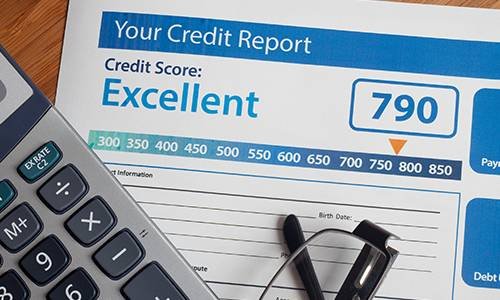
Having “good” credit sounds like something you don’t really need to be concerned with until you’re ready to pony up a down payment on a home or need a second car to accommodate your growing family (hello, minivan!). But the truth is, your credit can help determine whether you can even get a mortgage or car loan in the first place. It’s something you have to nurture from the time you start paying your own bills so that when a money goal is finally in your grasp, your credit won’t be what holds you back. Fortunately, the need for healthy credit isn’t lost on the younger generation: 66% of people in the 25-to-29 age range who responded to \”a\” March 2016 LearnVest/Barclaycard Financial Literacy Research survey said that having a strong credit rating was extremely important to them. That’s higher than any other age range and the 59% reported by the population at large. So whether you’ve got no credit history to speak of or just need to start building a better one, we’ve gathered some tips from credit pros to help you gain—and then maintain—a credit rating you can be proud of. 1. Understand What Impacts Your Credit Score Whenever you apply for a loan or credit card or try to set up a cell phone bill or utility service, it’s likely the company will take a look at your FICO® Score, the most commonly used score by lenders. A FICO score ranges from 300 to 850. Although the range for what’s considered “good” can vary, generally speaking, a good score is between 700 to 749, and a score of 750 or higher is typically considered excellent, says Beverly Harzog, author of “The Debt Escape Plan.” Five things, in particular, impact your FICO Score in varying degrees of importance: how much you owe, your payment history, the length of your credit history, the mix of types of credit you have, and how much new credit you’ve opened up recently. Knowing these factors means you also know what can help or hurt your score overall. 2. Start Building a Credit History as Soon as Possible The longer you can demonstrate you’ve been able to handle credit responsibly, the more attractive you will appear to lenders. “You could have excellent income and money in the bank but still have a low credit score if there isn’t enough evidence showing how you handle credit,” says consumer credit advocate Gerri Detweiler. One way to build credit if you have none or are having a hard time getting approved for it is to be added as an authorized user or co-signer to a partner or relative’s existing credit card. However, the original card owner would ultimately be responsible for your charges, so it’s imperative you both are on the same page when it comes to parameters for how you would use and help pay for the card. Getting a secured card is also an option. With a secured card, you provide a deposit upfront, and the credit card company extends you a line of credit generally equivalent to the deposit, though some may offer you a higher limit. By making purchases and paying your bills on time each month, you’ll be demonstrating that you can handle credit responsibly, which in turn helps establish a positive credit history. A strong credit performance could eventually help you graduate to an unsecured credit card (the most common type of credit card, which doesn’t require collateral upfront). If you do use a secured credit card, however, confirm with the card issuer that it actually reports to all three major credit bureaus (TransUnion, Equifax, and Experian) so that your efforts don’t go unnoticed, Harzog says. 3. Always Pay Your Bills on Time Once you’ve been approved for loans or credit cards, one of the best ways to maintain your credit rating is to have “no missed payments, ever,” says John Ulzheimer, credit pro and author of “The Smart Consumer’s Guide to Good Credit.” Your payment history, after all, is the most heavily weighted factor in your FICO Score, making up 35%. And it’s important to realize that it’s not just lenders that report to credit bureaus; things like medical debt and missed utility payments can also ding your credit report. “If you forgot to pay your electric bill, that could be passed onto a debt collection agency, and they could report it,” says Harzog. 4. Keep Close Tabs on Your Spending The amount you owe across your credit accounts is the second-largest factor in your FICO Score, at 30%. And a big influence on this calculation is your credit utilization ratio or the percentage of your available credit that you’re actually using. So making sure your balances don’t balloon can go a long way toward helping maintain a good credit rating. The general rule of thumb is that you shouldn’t exceed a credit utilization ratio of 25%, “but it varies depending on your credit history, so there’s no one-size-fits-all ratio,” Detweiler says. However, if you’re looking to help maximize your score, Ulzheimer advises keeping your ratio below 10%. 5. Don’t Open Too Many Credit Lines at Once—but Don’t Close the Ones You Have When you apply for a credit card or loan it triggers a “hard inquiry” on your credit report (a type of inquiry in which a company is assessing you because you’ve applied for credit with them), which dings your credit score. Not only that, opening several lines of credit within a short period of time could make lenders perceive you as credit risk—plus, it shortens the average age of your credit history, Detweiler says. On the flip side, closing credit accounts you already have can have a similar negative impact on your length of credit history. So even if you don’t use a card often, keep it open anyway and try to charge some small things on it every once in a while because “if it’s not active for three or four months, the credit card issuer might close

Scroll to Top